

We are more and more always online – whether we’re on office emails, or endlessly surfing on social media, our brain never rests at any moment. We are even on line during holidays – more than visiting the place, we are busy with our mobile and do not enjoy the place around. So, in such a context, digital detox travel is gaining a necessity, especially in India where silence, nature and slow living are still very much alive in some hidden corners.
Having a digital detox doesn’t mean dumping your phone for good. It just involves a short respite from screens in order to rediscover yourself, your environment and your fellow travellers. I think that the most ideal spots are the eco retreats. These are tranquil places where you feel close to nature, and a return to simple lifestyles, local traditions, greenery and tranquillity.
Read Also: Top 10 Healing & Spiritual Places to Visit in Khajuraho
India is home to plenty of glorious eco retreats that remain uncrowded and untouched by commercialisation. Some are tucked away in forests, others have breezy locations by the river and still more are found nestled within unassuming villages where the speed of life is relaxed. None of these are about high-energy entertainment or ostentatious luxury, rather they provide calm, comfort, enviable air quality and an atmosphere that city residents take for granted.
Why Eco Retreats Feel Different
Today, a large number of hotels aim only at comfort and fast service. Ecological retreats have other focuses, such as balance. The use of natural materials, open rooms and spaces, sunlight, greenery and local architecture mean you are more part of the environment than in a fully air-conditioned room staring at the walls all day.
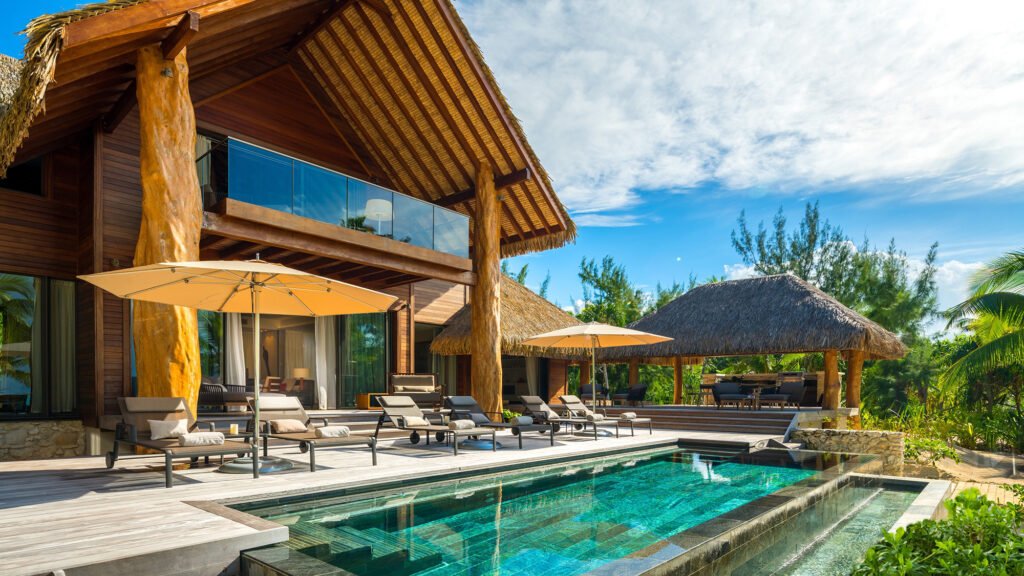
One other point to raise is silence. True silence is very often a feature that is lost, even in urban areas. Eco retreats provide a haven away from the constant din of traffic and message alerts, allowing nature to make itself heard once more in the glorious scenery.
Most travelers believe that digital detox is dull. I disagree. The issue is not with silence. The issue is that we don’t remember how to sit quietly and do nothing. Without reaching for our gadgets.
Best Hidden Eco Retreats in India
1. Tirthan Valley, Himachal Pradesh
Tirthan Valley is not as congested as Manali, Shimla or other such popular hill stations. It is close to Great Himalayan National park and therefore for the nature lovers who want the mountain experience without the tourists Tirthan Valley is ideal.
Most of the eco lodges are tiny wooden cabins, nestled in the mountains, skirted by rivers and pines. Coverage on the mobiles is patchy there and, frankly, I think it’s a bonus. Everyone is just going for walks, reading, fishing, idling by the river. What I really like about Tirthan is that it doesn’t impose any activity on the guests. You can slow down normally by yourself.
2. Kabini, Karnataka
Nestled within the forests and home to various species of wild and birds, is Kabini. However, not many tourists visit to experience the wilderness. But the eco resorts of Kabini ensure conservation of nature.
Early morning boat rides, jungle treks, and from the lights of the city go away at night, then relax very much. There are only sounds of air insects and animals, not phones buzzing behind your pillow.
Personally I love that lots of eco retreats at Kabini make sure they use indigenous materials and buy from the community. So the people of the area benefit and we get a more authentic travel experience.
3. Majuli Island, Assam
Majuli, which is the world’s biggest river island and also one of the most peaceful places to visit in India. It is a place where life seems to be very simple and basic.
The eco stays are very basic but warm & comfortable. Bamboo cottages, authentic Assamese food and peaceful evenings help you slow down automatically. Wi-fi & Internet access are not easy to come by in most parts of the circuit.
Majuli is a lesson: comfort is anything but costly, it’s sometimes just mind games. The margin between good and bad is so small that most of the time we miss it.
4. Kumarakom, Kerala
Kerala is very popular as a destination for eco tourism, and Kumarakom is less busy and more peaceful than many of the tourist hotspots.
The backwaters, coconut groves and bird sanctuaries give a laid back atmosphere. There are a number of eco retreats here which run on natural water management, natural cool systems and organic cultivation.
What makes Kumarakom so unique for digital detox is its tempo. The boat trips are slow. People go slow. Even the clock seems to tick at a slower rate.
5. Spiti Valley, Himachal Pradesh
Spiti is not the place to come if you are after instant distractions. It’s cold, it’s silent, it’s far off and it packs a punch emotionally.
The land itself is enough to make you turn away from your digital… Network signals stop everywhere, and people suddenly start to stare at the mountains and the sky and the monasteries and each other again.
If there are just a few places in the world that can make you breathe easier by drinking in a mouthful of fresh air, then Spiti comes in that top league-may be even the number one spot.
The Rise of Nature-Based Stays in Cities
Nowadays, people are seeking eco-influenced tourism experiences within urban areas; as not all individuals are able to afford journeys to distant mountainous locations.
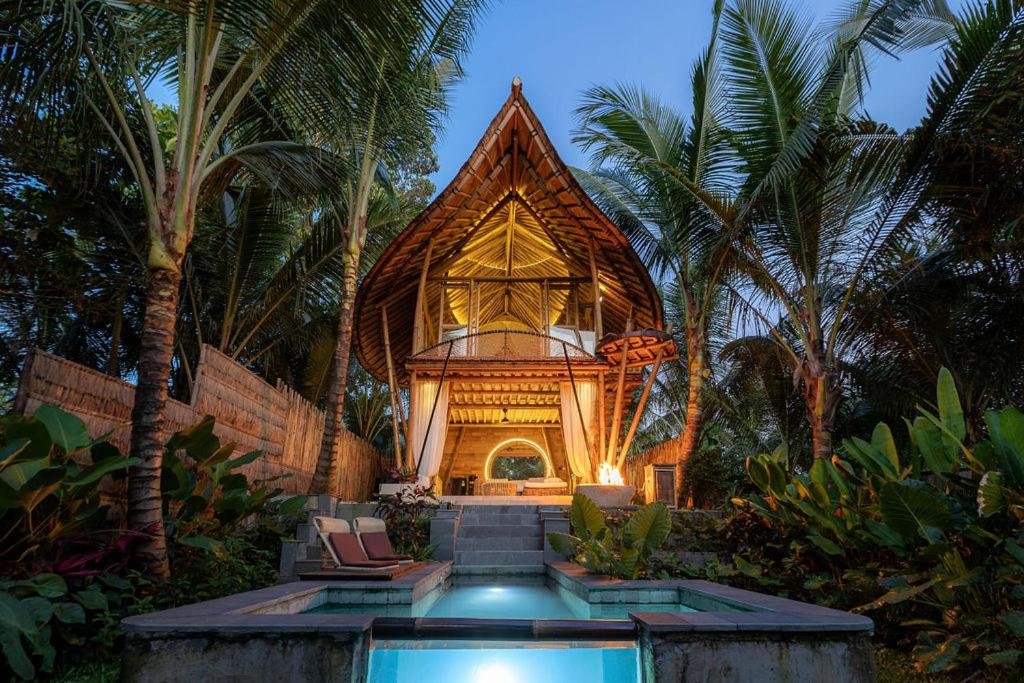
That is where design stays makes the difference. Even in dense cities, a peaceful atmosphere, natural components, relaxing spaces and friendly environment help guest to be relaxed mentally.
As an example, Ratikara is creating an experience that is quiet, private and relaxed yet situated within a vibrant and dynamic city like New Delhi. Instead of characterless and noisy hotel environments, it’s about creating a sense of security through surroundings, interiors, ambience and lack of noise. It’s a softening and an evolving realisation that people today want an emotional thrill and not just booking rooms.
I believe this is significant because in my view, real relaxation is increasingly rare in city life.
Why Digital Detox Matters More Than Ever
Most of us take for granted the constant barrage of screens. Few recognize its impact on our minds. Sleep falls apart. Concentration suffers. Even dialogue becomes fuzzy.
Even a quick break from modern technology allows for mental recharging. Experts in wellness and specialists in environment and behavior have found that exposure to the outdoors as this time of rest counters high-stress levels and increasing concentration. Mother nature naturally slows down the nervous system, no work required.
But the dark secret no one speaks often enough is that people are emotionally exhausted.
These days, the goal of most vacations is just to take photos to post on facebook. An eco retreat reverses the concept. It encourages visitors to live in the place, not to perform on the web.
How to Actually Enjoy a Digital Detox Trip
Many travelers don’t succeed in this digital detox because they approach it as a penalty. In reality it should be an effortless process.
Here are a few simple things that genuinely help:
- Have your cell phone turned off silent the majority of the day.
- Avoid checking emails constantly
- Carry physical books
- Spend time outdoors without headphones
- Talk to local people
- Observe nature carefully
Sleep a bit earlier and enjoy waking without an alarm (nature does it!).
You are not trying to be perfect. You are just trying to get rid of mental clutter.
Final Thoughts
India still holds a number of undiscovered eco retreats that welcome travelers to take a moment, take a breath and reconnect with nature and themselves. These may not be the most luxurious or iconic, some of the most special are those that rely on being humble, authentic and in tune with their natural surroundings.
The digital detox is no longer a travel trend. It is slowly becoming a need for mental balance. Be it mountain cottage in Himachal, bamboo stay in Assam or a peaceful villa experience in Delhi, travellers are increasingly on the lookout for space that feels soothing and emotionally uplifting.
And honestly, so many of us are living that reality every single day and, perhaps, that is exactly what luxury is these days-just a break from our gadgets.
FAQs
1. What is a digital detox retreat?
A digital detox retreat is somewhere to escape from technology and spend quality time with yourself, nature, bliss and being present rather than mindless consumption online.
2. Are eco retreats expensive in India?
Not necessarily. In India, you will find eco retreats across a wide spectrum of price points. Some are basic places to relax in nature, and others have comfortable luxury rooms designed in an eco-friendly way.
3. Why are eco retreats becoming popular?
Nowadays, with hectic urban life and staring at screens all day long, people are under more pressure. Eco retreats provide tranquility, gardens and psychological relief.
4. Which is the best place in India for a peaceful digital detox?
Especially Tirthan Valley, Spiti, Kabini, Majulithey are the best suited for them because they are not over congested and are very close to nature.
5. Can city stays also offer a digital detox experience?
Certainly. Even calmly placed, well-designed resorts with relaxing surroundings, which are green and quiet places, could serve as a mental parachute.