

When people talk about tourist destinations in Jaipur, one monument almost always comes first in the conversation – Hawa Mahal.
I’m thinking of seeing his picture in the school textbooks. The unique purple structure with many small house windows was considered lovely, though simply put, I never understood why it became so famous. Later, once I visited Jaipur, I realized that Hawa Mahal is much more than a beautiful building. It’s a place filled with plaques, clever architecture and interesting memories that still attract visitors around the arena.
Read Also: Why Jaipur is Known as The Paris Of India
If you are planning a Jaipur experience, Hawa Mahal deserves to be at the top of your itinerary.
What Is Hawa Mahal?
Hawa Mahal, also known as the “Palace of Winds”, is one of the most verified places in Rajasthan. Located inside the heart of Jaipur, the monument stands proudly on a busy road surrounded by market-side shops and traditional houses .
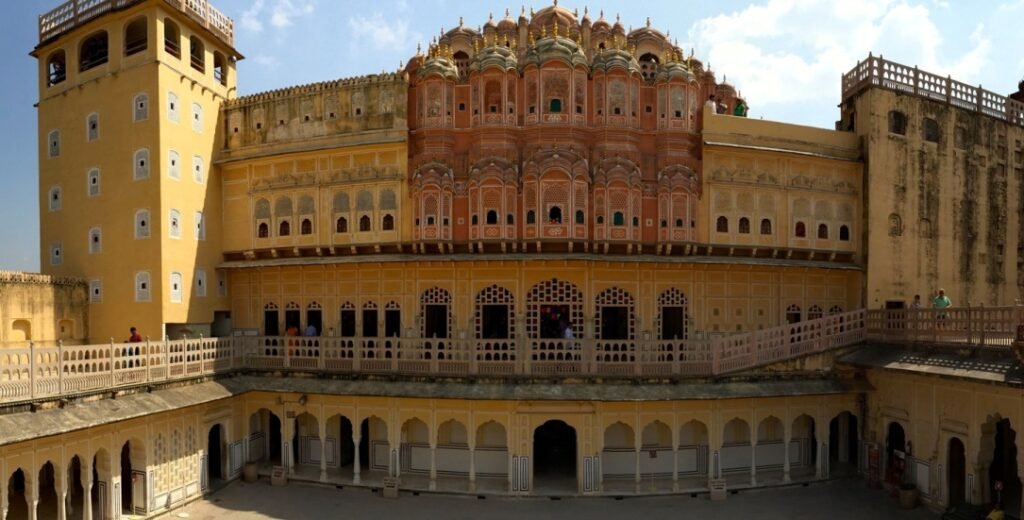
At first glance, a lot of traffic thinks it’s far from a whole castle. Surprisingly, the Hawa Mahal is obviously an extension of the Nagar Mahal which is complicated and has been converted into a specially built viewing hall instead of the Rajagraha.
Its precise honeycomb-like design makes it one of the most photographed points of interest in India.
The History Behind Hawa Mahal
Hawa Mahal was built in 1799 by Maharaja Sawai Pratap Singh. The building was designed with the help of Lalchand Ustad, who was a talented architect at that time. The main reason for the construction of Hawa Mahal was quite exciting. During that era, royal women observed a lifestyle called “purdah” that prevented them from performing openly in public. The palace was designed so that royal ladies could watch the fairs, the avenues and the ordinary life outside without being seen through the men below.This clever design allowed them to enjoy public activities while protecting their privacy.
More than 200 years later, the idea continues to influence site visitors and historians.
Why Does Hawa Mahal Have 953 Windows?
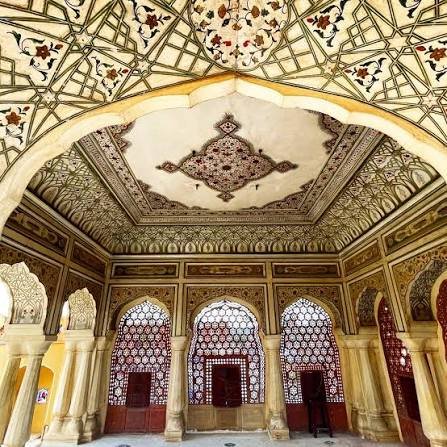
One of the most fascinating facts about Hawa Mahal are the 953 small windows known as “Jharokhas”.
Many people wonder why there has been a need for so many home windows.
The solution lies in the Jaipur weather.
The cool air circulates through the natural construction of the windows. This creates a cozy atmosphere in the form, even throughout the hot summer months.
This natural cooling tool existed long before air conditioners were invented.
When I think about it, it’s amazing that architects centuries ago understood ventilation so well.
The Mystery of Hawa Mahal
Every famous monument has memories attached to it, and Hawa Mahal is no different.
One of the most exciting things that is mentioned regularly through visitors to the site is how such a small quest structure has stood for over a century.
Thanks to the many windows and intricate design, the structure looks slim, yet remains remarkably strong.
Another intriguing fact is that many vacationers spend years believing that Hawa Mahal is a huge palace from the exhibition. When they enter, they are surprised to find that a great deal of the grandeur comes from the beautifully designed facade.
Some of the nearby stories additionally hint at hidden pieces once associated with components of the royal complex, although instead of confirmed history many of the details are just part of Jaipur folklore .
These little secrets attract reminders to upload and keep site visitors curious.
What Makes Hawa Mahal Special?
In my opinion, Hawa Mahal stands proud because it combines splendor, technical know-how and history in one area.
Many of the monuments are visually appealing, but Hawa Mahal shows an extra clever layout.
Some features that make it special include:
- Unique honeycomb structure
- 953 Beautifully Designed Home Windows .
- natural ventilation system
- Jaipur’s Historical Relationship With The Royal Family
- Stunning crimson sandstone formation
- Excellent photo opportunities
Very few monuments in India combine such multiple factors in an unmarried structure.
Best Time to Visit Hawa Mahal
The pleasant time to visit Hawa Mahal is early in the morning.
When the sunlight falls on the purple sandstone surface, the building looks even more beautiful.
Early morning tours also help avoid large crowds and make photos easier.
The months from October to March are generally considered ideal for exploring Jaipur efficiently.
Nearby Attractions Worth Visiting
One advantage of visiting Hawa Mahal is its location.
Several famous visiting places in Jaipur are located nearby.
You can easily explore:
- City Palace
- Jantar Mantar
- Johari Bazaar
- Bapu Bazaar
- Albert Hall Museum
- Nahargarh Fort
This makes it easy to spend an entire day discovering Jaipur’s heritage.
Why Hawa Mahal Remains One of the Best Places to Visit in India
Whenever guests talk about special places in India, the Hawaiian Palace often comes up on the list. Purpose Continuous existence.
It represents the rich cultural identity of Rajasthan, as well as showcasing architectural creativity that was transformed way ahead of its time .
Unlike many attractions that rely solely on length or grandeur, Hawa Mahal leaves a lasting impact through its history, purpose, and layout.
Hundreds of years later, people still stand in front of it to admire its beauty.
A Thought for Travellers
Travelling is not only about taking pictures. It is about understanding the stories behind the places we visit.
Hawa Mahal teaches us how architecture can solve practical problems while still creating something beautiful.
Many guests who stay at Ratikara Resort while exploring North India often share how destinations like Jaipur remain memorable because they offer both history and meaningful experiences.
Among all the famous attractions in Rajasthan, Hawa Mahal continues to be a symbol of Jaipur’s identity and one of the most fascinating monuments in the country.
Conclusion
If you are planning a trip to Jaipur, Hawa Mahal should not be treated as just another jungle paradox on the itinerary. Records, clever design, cultural significance, and enduring mystery make it one of the most rewarding places to explore. Sometimes, the most unforgettable travel stories come from places that tell a story, and Hawa Mahal clearly has many stories to tell.
Frequently Asked Questions
1. Why is Hawa Mahal called the Air Palace?
Its 953 home windows are called air palaces because cool air must blow through the structure.
2. Who built Hawa Mahal?
Hawa Mahal was built in 1799 through Maharaja Sawai Pratap Singh.
3. How many house windows are there in Hawa Mahal?
There are 953 small house windows, known as jharokhas.
4. What is the secret of Hawa Mahal?
Visitors are regularly intrigued by how the sensory exploration structure has persisted for more than a century and through hidden highway memories .
5. Is Hawa Mahal one of the most beautiful places in India?
Indeed. It is much widely regarded as one of the most satisfying places to visit in India due to its unique architecture, historical significance, and cultural contributions.