

September is a strange month for travel in India. The heavy rains of July and August start settling down, but the crowds haven’t fully returned yet. Hill stations are green like never before, rivers are full, and hotel prices are still gentle on the pocket. If you ask me, this is the most underrated window for a trip in the whole year – and almost nobody talks about it.
Most people plan their holidays around Diwali or the summer break, and September just gets skipped. That’s exactly why it works. Less rush, better weather than the scorching plains, and nature at its fullest bloom. I’ve put together some places that I genuinely think deserve your September calendar, along with a few honest opinions on why they work (or don’t, for certain kinds of travellers).
Why September Is Actually a Smart Time for Monsoon Retreats in India
Before jumping into the list, here’s something worth understanding. Monsoon in India doesn’t behave the same way everywhere. By September, the north-east monsoon is winding down in most regions, so you get occasional showers instead of non-stop rain. The air is washed clean, waterfalls are at their peak, and hills look almost unreal – deep green with mist rolling over them in the mornings.
The other advantage nobody mentions: flight and stay prices dip because this is technically an “off season” for many destinations. So you end up paying less for a much richer experience. That’s a fair trade in my books.
Coorg, Karnataka
Coffee estates smell different after rain, and Coorg in September is proof of that. The Cauvery river is flowing well, waterfalls like Abbey Falls are gushing, and the whole landscape has this deep, wet green colour that photographs can’t fully capture. What I like about Coorg specifically is that it’s not overrun with tourist buses in September – you can actually sit on a homestay balcony and hear nothing but rain on leaves.
Read Also: Top 10 Places to Visit During Monsoon in India
A word of caution though – some estate roads get slippery, so if you’re driving yourself, go a little slow on the ghats.
Munnar, Kerala
Munnar tends to get crowded around December, so September is when locals themselves prefer visiting. Tea gardens after rain look almost painted on, and the temperature stays comfortably cool through the day. What surprised me on my last visit was how quiet Eravikulam National Park was – you could actually spot Nilgiri Tahrs grazing without fifty people clicking photos at once.
Meghalaya (Shillong, Cherrapunji, Mawlynnong)
If you need monsoon in its raw form, Meghalaya does not disappoint. Surviving native bridges, waterfalls under full pressure, and villages like Mawlynnong, which remain immaculately clean even in all the many rainy months of September, mainly gives slightly drier days compared to high-altitude monsoon; this means better visibility for native bridge walks. This one is for guests who don’t mind a bit of walking and a lot of humidity.
Valley of Flowers, Uttarakhand
This is strictly a September-only kind of trip, and that’s what makes it special. The valley stays closed for most of the year, and opens for a short window where wildflowers bloom across the entire meadow. It’s a proper trek, not a lazy holiday, so this suits people who want their quiet time to come with some effort and a real sense of achievement at the end.
Mahabaleshwar and Panchgani, Maharashtra
Close to all of them fully located in Mumbai or Pune, these hill towns grow to be conspicuous internationally throughout the monsoon season. Waterfalls are nowhere to be seen, strawberry fields are lush, fog rolls over the Panchgani strip in the dead of night is something you should take a seat and watch quietly, no more rushing through. September offers you the glory of the monsoon without the threat of avalanches that the high season often brings.
Where to Stay for the Right Kind of Quiet
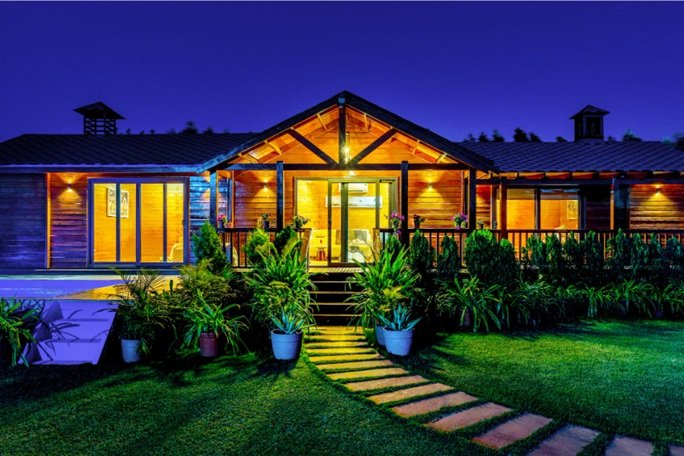
A monsoon escape only works if your stay matches the mood of the trip. Nobody wants to come back from a green, misty hill and check into a noisy, packed hotel corridor. This is something we think about a lot at Ratikara Resort. Our approach has always been to design spaces where the stay itself becomes part of the retreat, not just a place to sleep between sightseeing. Warm hospitality, interiors that feel calm rather than loud, and enough privacy that families and couples both feel settled – that’s the standard we hold ourselves to as a villa in New Delhi. If a quiet September break is what you’re after, the property you choose matters as much as the destination itself.
A Few Honest Tips Before You Pack
- Carry quick-dry clothing, not heavy fabrics. Monsoon humidity makes regular clothes take forever to dry.
- Keep a plan B for outdoor activities. Rain can shift a schedule in an hour.
- The book stays with good drainage and covered parking if you’re driving – small detail, but it saves a lot of trouble.
- Avoid landslide-prone routes during heavy rain days; check local advisories a day before travel, not a week before.
- Pack a proper rain jacket over an umbrella for hill treks. Wind makes umbrellas useless on most trails.
Frequently Asked Questions
1. Is September a good month to visit hill stations in India?
Yes, September can be a good time to go. Heavy rain often starts to settle in, giving you clean greenery, lovely waterfalls and fewer tourists. It’s also much quieter than the busy months of October and December.
2. Which place is best for a first-time monsoon traveller?
If it is your first monsoon trip, Coorg and Munnar are good choices. Both have stunning views, greenery and plenty of cozy places to stay. You can enjoy the surroundings without having to walk hard.
3. Is Valley of Flowers open in September?
Yes, September is a great time to visit the Valley of Flowers. However, the plants are in bloom, which makes the valley look beautiful. However, the hike is gentle, so plan your trip carefully and check course conditions before visiting.
4. Are monsoon destinations safe to travel to in September?
Most places are safe, but you have to be a little careful when entering rocky terrain. In some places, landslides or unexpected weather changes will occur. Always check the weather and travel updates in your neighborhood before starting your trip.
5. What should I pack for a September monsoon trip?
Bring quick-drying lightweight clothing, a good raincoat, water-resistant shoes and a small water-resistant bag with you on your cell phone and various electronics. It’s also a fantastic idea to bring an indigenous resource pack if you’re going to a hill station.