
Wellness today extends far beyond spas, yoga rooms, or weekend retreats. It has become an integral part of the way we design spaces for living, resting, and healing. This is the point at which wellness architecture design gains significant depth of meaning. It is not about embellishment. It is about the impact of a space on your emotions when you wake up, take a deep breath, and eventually slow down.
At Ratikara Resort, wellness architecture is not a trend we follow. It is a philosophy we practice. Every villa, pathway, and open space is designed to support the senses. Among all design elements, light, air, and silence play the most powerful role. They are invisible, but their impact is lifelong.
Designing for the Senses, Not Just the Eyes
Most buildings are made to be seen. Wellness architecture is made to be experienced. It considers how the body responds to space, how the mind settles, and how emotions soften over time.
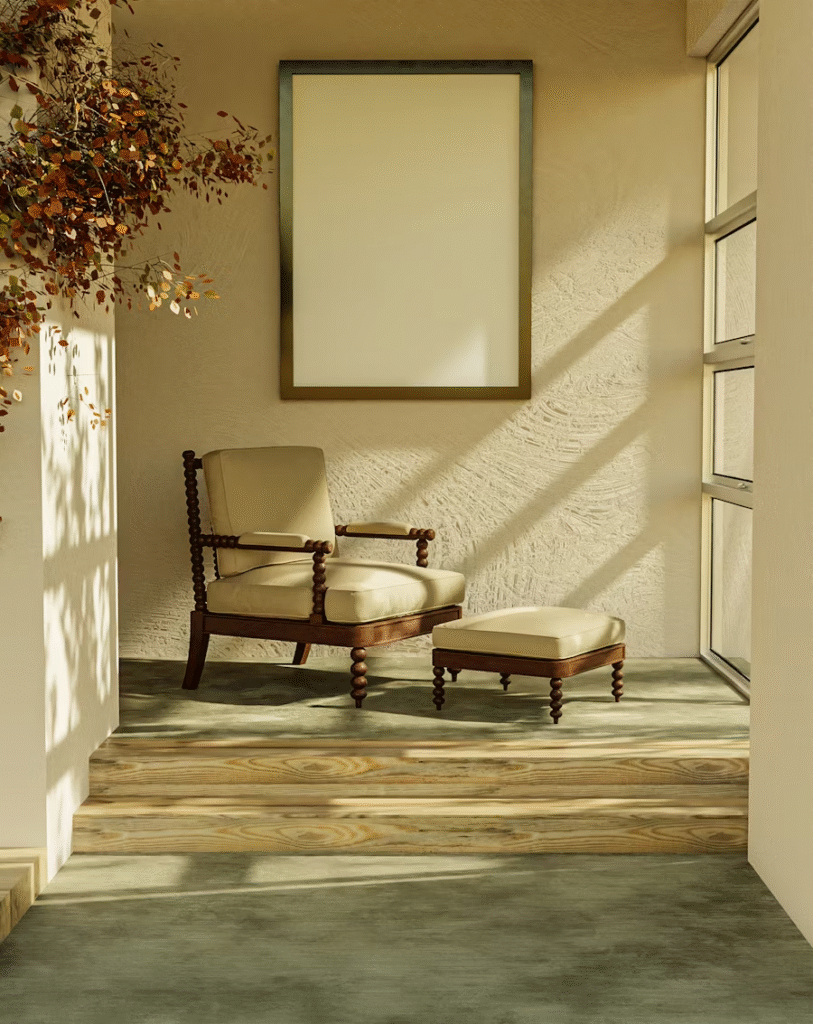
At Ratikara, architecture does not fight nature. It listens to it. The placement of structures, the openness of rooms, and the quiet between spaces are intentional. This approach connects deeply with wellness architecture and urban design, where built environments must heal rather than exhaust.
Light, air, and silence are not extras. They are the foundation.
1. Light: The Architecture of Clarity
Light affects the human body more than most people realise. It regulates sleep cycles, mood, focus, and even emotional stability. Poor lighting creates fatigue. Natural light creates balance.
In wellness architecture design, light is treated as a living element. At Ratikara Resort:
- Villas are oriented to receive gentle morning sunlight
- Large windows allow daylight without harsh glare
- Skylights and courtyards let light move naturally through the day
Morning light energises the mind. Afternoon light calms the body. Evening light encourages reflection and rest. This daily rhythm helps guests reconnect with their natural biological clock.
This is not luxury lighting.
This is biological design.
2. Air: The Invisible Design Element
Air is life, but in modern buildings, it is often trapped, recycled, or ignored. Wellness architecture treats air as movement, not machinery.
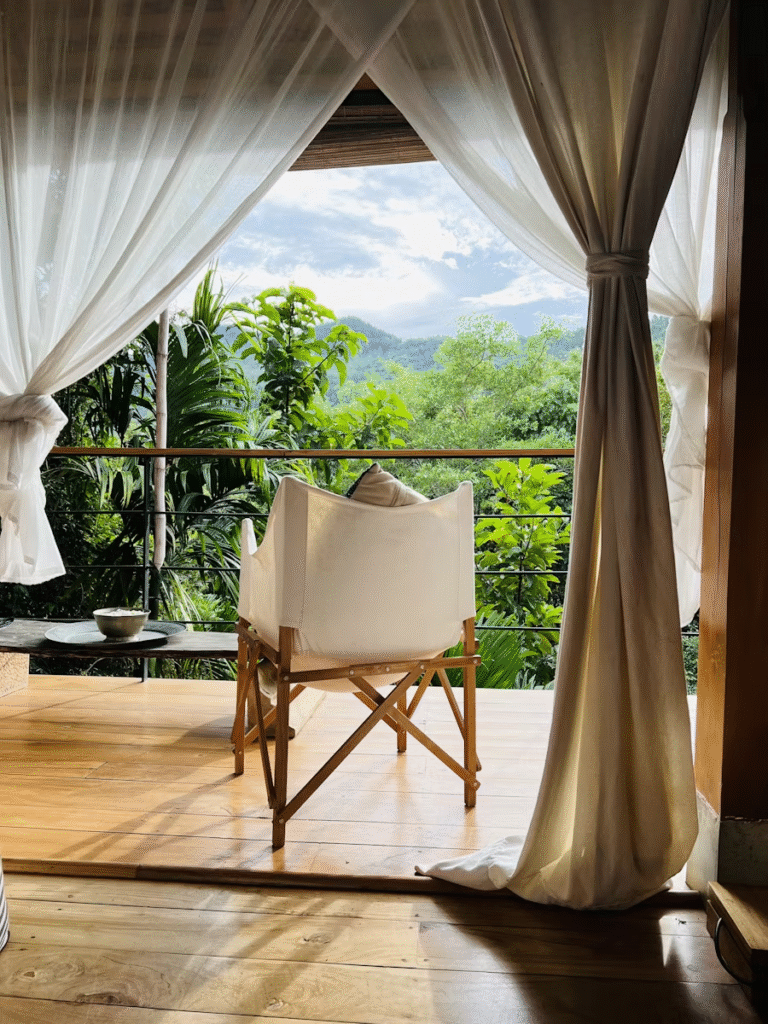
At Ratikara:
- Cross-ventilation is built into every villa
- Breezeways allow fresh air to flow freely
- Open planning invites outdoor air inside
When air moves, the body relaxes. When you breathe better, you think better. This is where wellness architecture and urban design meet sustainability and human comfort.
Fresh air carrying the scent of rain, soil, and trees does more than any artificial fragrance ever could. It slows the breath and grounds the mind.
This is not just eco-friendly design.
This is emotional architecture.
3. Silence: The New Luxury
Modern life is noisy. Even when it is quiet, the mind is still crowded. Wellness architecture recognises that silence is healing.
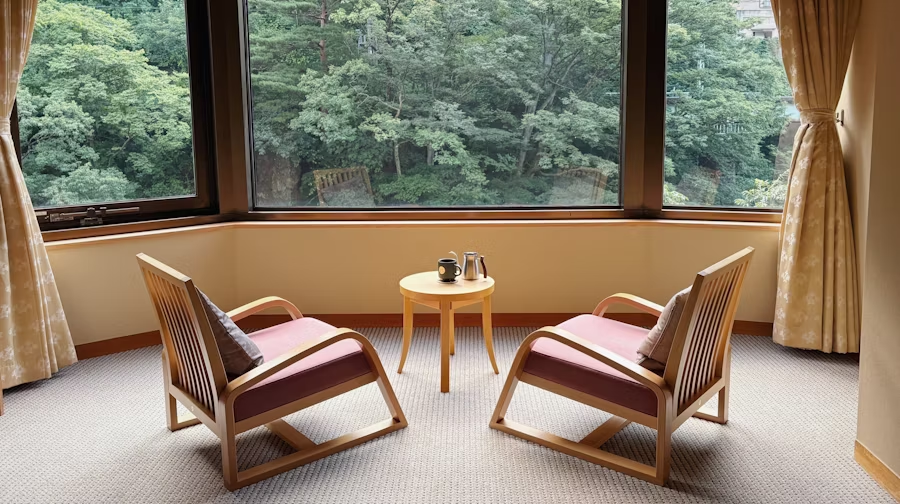
At Ratikara Resort, silence is designed carefully:
- Villas are placed at a distance to avoid disturbance
- Natural insulation reduces external noise
- Soft materials absorb sound instead of reflecting it
Here, silence is not emptiness. It is presence. You hear the wind. You hear birds. You hear yourself.
In wellness architecture design, silence allows the nervous system to rest. It lowers stress without effort. It is the most underrated design element in modern spaces.
Today, silence is not a luxury.
It is a necessity.
4. When Light, Air, and Silence Work Together
Individually, light, air, and silence are powerful. Together, they create transformation.
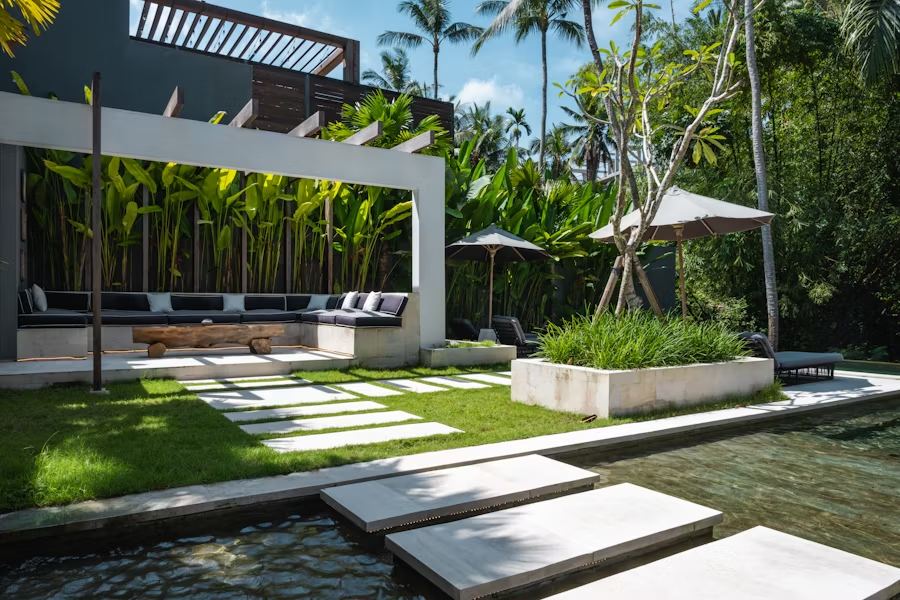
When these elements align:
- The body relaxes naturally
- The mind becomes clear without effort
- Sleep deepens
- Emotions settle
At Ratikara, this harmony turns a villa into a sanctuary. This is where wellness architecture and urban design move beyond structure and enter human experience.
This is not an accidental design.
This is intentional calm.
Wellness Architecture Beyond Buildings
True wellness architecture does not end at walls. It extends into:
- Pathways that encourage slow walking
- Open spaces that invite pause
- Views that calm instead of distract
Ratikara Resort applies wellness architecture design as a complete ecosystem. Every detail supports stillness, breath, and clarity.
This approach is essential for the future of wellness architecture and urban design, especially in a world becoming faster, louder, and more crowded.
Conclusion: The Ratikara Way of Designing Calm
Architecture, at its highest level, does not impress.
It supports life.
At Ratikara Resort, we believe wellness is built silently into spaces. Through light that guides, air that heals, and silence that restores, our design philosophy respects the human need to slow down.
This is architecture that breathes with you.
Listen to you.
Live with you.
Discover how wellness is thoughtfully designed into every detail at Ratikara Resort, where architecture becomes a gentle companion, not a loud statement.
Frequently Asked Questions (FAQs)
1. What is wellness architecture design?
Wellness architecture design focuses on creating spaces that support physical, mental, and emotional well-being through light, air, material choice, layout, and silence.
2. How does light impact wellness in architecture?
Natural light regulates sleep, mood, and energy levels. Proper daylight design improves emotional balance and overall health.
3. Why is air flow important in wellness architecture?
Fresh air improves breathing, reduces stress, and creates a natural connection with the environment, enhancing comfort and calm.
4. How does silence contribute to well-being?
Silence helps the nervous system relax, improves focus, and allows mental clarity, which is essential in wellness-focused spaces.
5. How does Ratikara Resort apply wellness architecture principles?
Ratikara integrates natural light, open airflow, and intentional silence into every villa and retreat to create a deeply calming experience.