
Several Indian cities develop by transforming themselves. Varanasi continues existing as itself. The first and the largest difference is that.
This city does not make an attempt to appear new. It does not explain itself. It does not adapt to gratify visitors. Variasi just goes on, day in, day out, with life, death, faith, habit, and silence inseparableness. The fact that Varanasi is not like other cities is something that one has to cease comparing and begin to observe this city in its own terms.
Varanasi Lives Not Flies away but with Death.
Most cities hide death. Hospitals, shut doors, hushpuppies. Varanasi does not conceal anything.
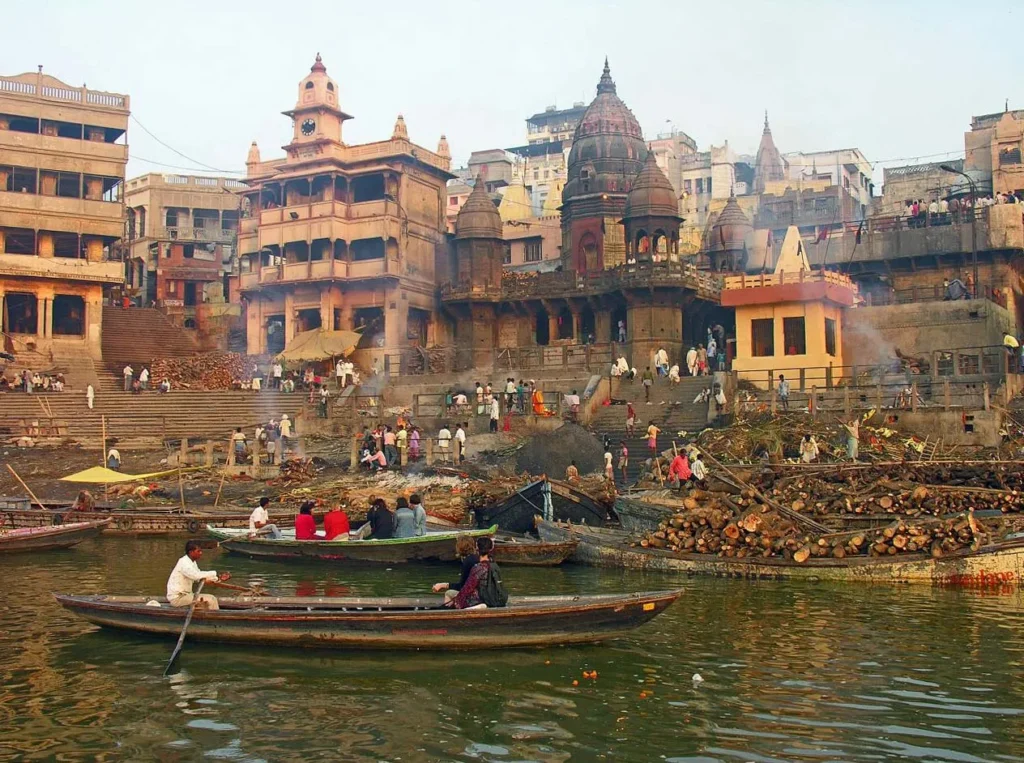
In this case, the last rites are done in the open. People pass by calmly. Children play nearby. Life goes on and is drama-free. This is not insensitivity. It is acceptance.
Varanasi preaches something hard yet something significant:
Death cannot be viewed as a parting with life. It is part of it. Such a free association with death transforms the way people live. One is not as afraid of losing time. It is more lenient, more give up.
Varanasi does not control Time.
Time drives people in contemporary cities. In Varanasi, time waits.
Mornings start earlier than the sunrise. Afternoons slow down. Evenings glow quietly. No one rushes faith. No one forces silence to end.
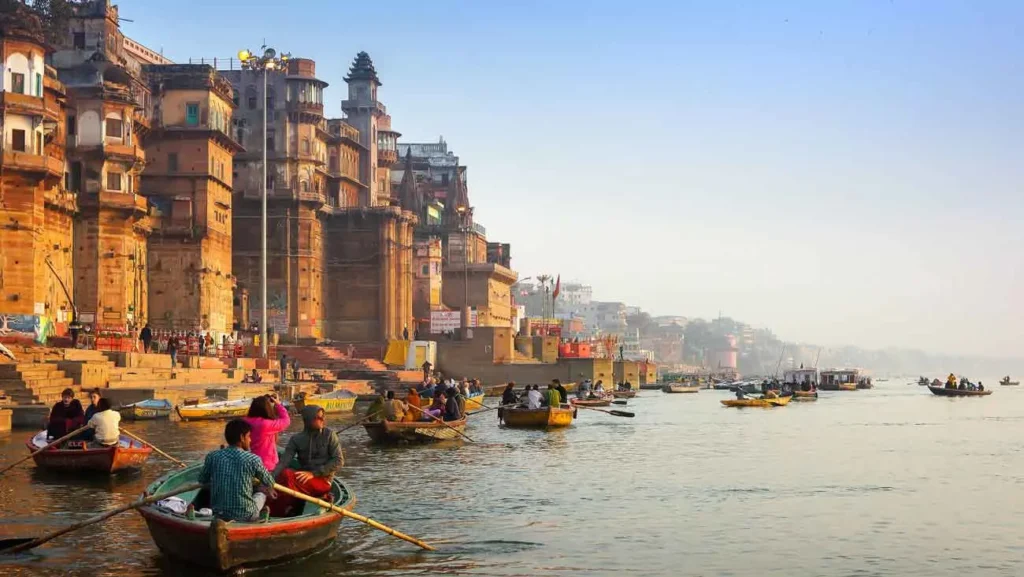
This does not imply that people here are idle. They labor, learn, take their wages, and sweat. But time is not used as an enemy. It is treated as a companion. This is the reason why guests do not feel at home. Later, they feel calm.
Faith Here Is Ordinary, Not Performative
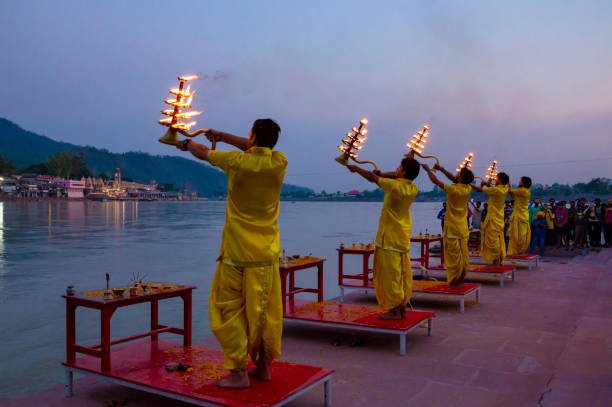
In many places, faith is loud. In Varanasi, it is routine. The way people breathe is the way they pray without thinking of it. No announcements. No show. A lamp lit. A river touched. A mantra whispered.
Understanding the Idea of “Varanasi Fumes Place”
This silent religion provides the city with a high sense of inner cohesion that is not based on perception and appreciation.
Grasping the Concept of Varanasi Fumes Place.
Strikes of the Varanasi fumes, commonly used by foreigners to mean smoke of lamps, incense, firewood, and day-to-day rites. This is not an untruth-but it is unsatisfactory.
Yes, there are lanes that are smoky. But Varanasi is not an olfactory, or one street.
The mornings on the Ganga river are clean. Open spaces feel light. Quiet areas feel breathable. Layers in the city are dissimilar.
Varanasi reminds us that:
There is not a city that can be evaluated on its busiest side.
Life is not Spiritual Theatre, It is Everyday.
Another error that people make is that every person in Varanasi is very spiritual at all times. That is not true.
People here:
- send children to school
- worry about bills
- cook simple food
- discuss politics
- complain about weather
Spiritual life is there, and it does not substitute the everyday responsibilities. It walks beside them.
These strikes between faith and duty are so Indian and so few.
The Acquisition of Knowledge Is a Respected and Not an Exhibited Process.
Varanasi was always the city of wisdom – the city of music, philosophy, language, teaching.
In this case, it is not the certificates that are learned. It is about understanding. Elders are listened to. Silence is respected. Questions are allowed. This generates another form of intelligence – slow, thoughtful and rooted.
The City Does Not Wish to Impress You.
Most cities try to impress. Varanasi does not.
It does not prepare itself for guests. It does not make it any less difficult. It lacks explanations of its contradictions. Either you embrace it as it is or you are uncomfortable. It is a difficult and meaningful Varanasi through this honesty.
The significance of Quiet Surroundings around Varanasi.
Varanasi is a place that many individuals realise that there is a need to balance to understand it. The time of being in the stressful environment should be accompanied by the time in the relaxing environment.
This understanding is reflected in places that have greenery, open space and quietness like the natural environment surrounding Ratikara Resort. Not as an escape, but as a pause. Varanasi can be most fully seen when the mind is not active.
Frequently Asked questions (FAQs)
1. What makes Varanasi not just a different city in India?
It embraces life, death, faith and routine openly and without concealing or embellishing.
2. Is it Varanasi guiding solely religion?
No. Religion is a parallel to ordinary day-to-day existence, work, study, family, responsibility.
3. What is meant by the Varanasi fumes place?
It is a reference to the smoke caused by rituals and other day-to-day activities in some parts of the city and not the city.
4. Does Varanasi fit families and individual travellers?
Yes, when they are not in a hurry and are watching.
5. What is the time that it takes to know Varanasi?
There is no fixed time. It takes time to learn, not timetables.
Conclusion:
Varanasi does not want to be comfortable. It offers truth.
It presents life in its crude form. It allows silence to speak. It teaches us that normalcy is not meaningless and that endings are normal. This is what makes Varanasi distinct from all other cities in India.